Security in a hospital is about calm, not force
5 min read · Elite Security Service
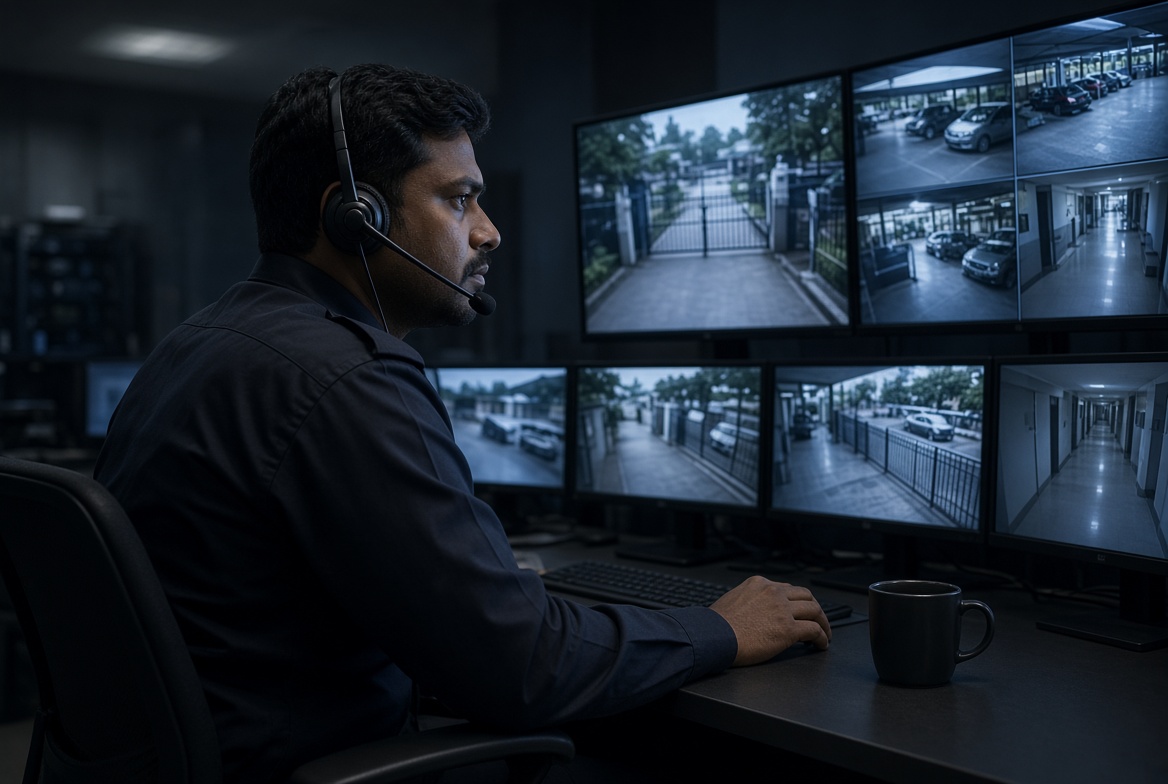
A hospital is one of the few places where people arrive frightened, stay anxious and leave exhausted. Security here cannot be built on intimidation. The guard at the entrance is often the first person a worried family speaks to, and the tone of that first exchange sets the mood for the whole visit.
That is why hospital guards need three skills beyond standard training. The first is directional knowledge: which lift goes where, where the emergency entrance is, where the pharmacy sits. A guard who can calmly point a panicked relative in the right direction is providing care, even if indirectly.
In a hospital, a guard’s voice is as important as a guard’s presence.
The second is de-escalation. Long waits and bad news can lead to raised voices. A trained guard listens, lowers the temperature and calls the right staff member rather than meeting anger with authority.
The third is emergency readiness. Hospitals cannot simply evacuate like an office. Guards must know fire routes, keep ambulance lanes clear and manage crowds at the casualty entrance so that clinicians can work.
Add visitor-pass discipline, restricted-area control and night-shift alertness, and you get a security team that protects patients without ever feeling like an obstacle to them.
Next article: Crowd control done right: what trained bouncers Marshalls really do